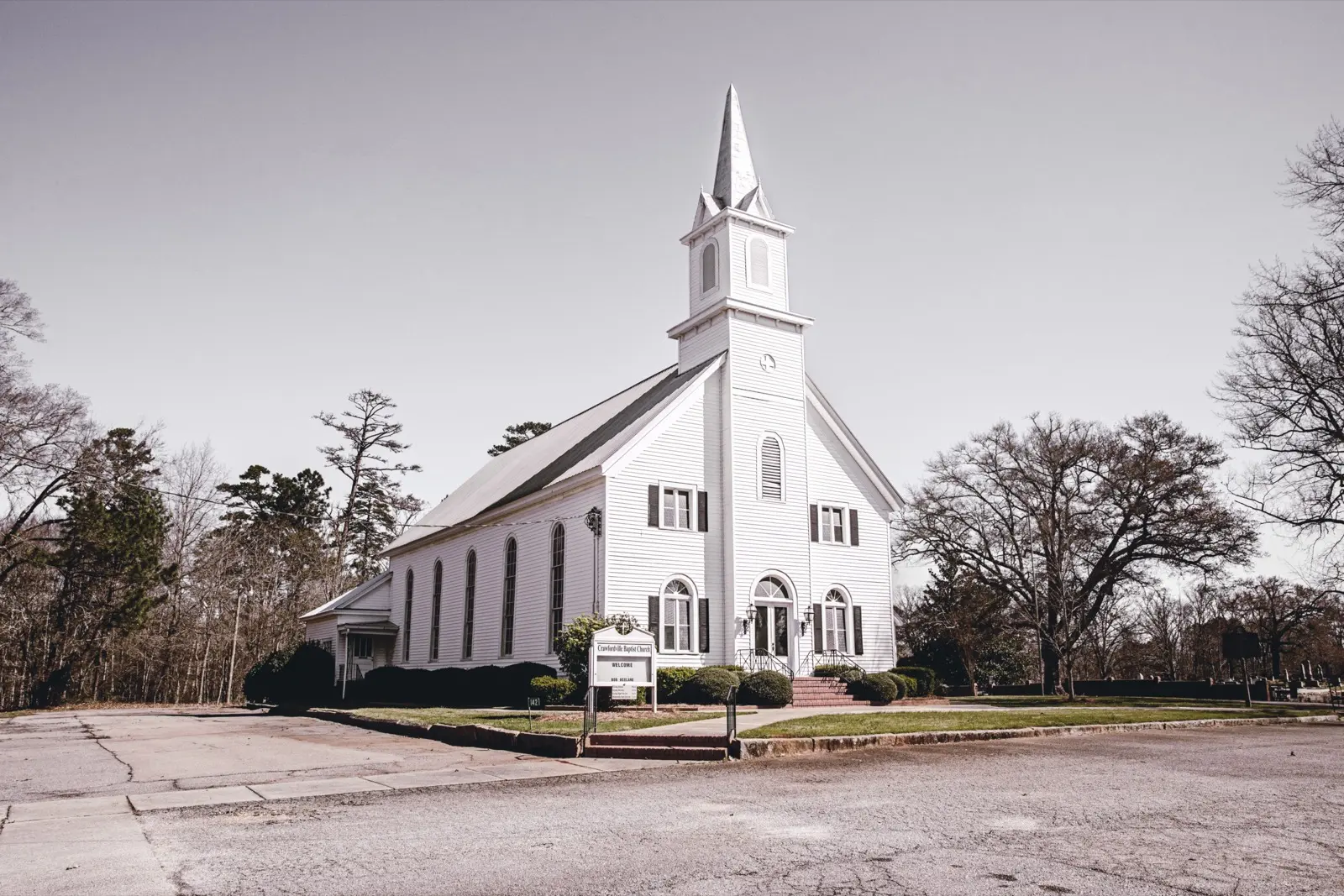
Want more people to find your church online without getting technical? This guide walks you through the four pillars of church SEO and a simple 7-day plan to improve local visibility, pick the right keywords, and get started today.
When someone searches for churches near them, they are looking for clarity and confidence. If your church does not show up, you are not just losing clicks - you are losing conversations. This is exactly why Church SEO Services from Church Search focuses on real-world visibility, not technical jargon.
If you want the bigger picture first, start with what church SEO is and why it matters. And if you're specifically trying to show up in local maps results, read local SEO for churches. For keyword ideas, the full guide to SEO keywords for churches will help you pick the right phrases.

What Is Church SEO and Why It Matters in 2026
Church SEO (Search Engine Optimization) is simply the process of helping people find your church when they search online. In 2026, that usually means search engines and maps - especially Google.
Here is how it works in real life: someone wonders whether your church would be a good fit for them. They search "church near me", "church in [city]", "youth group near me", or "Bible believing church in [area]". In a matter of minutes they compare a few options, look at your website, and decide whether to visit.
Church SEO makes sure your church's information is accurate, your website is easy to understand, and your pages communicate who you are and where you serve. It is about being discoverable at the exact moment someone is looking for you.
How Search Engines Decide Which Churches to Show
Search engines are trying to answer one question: which result best matches the person who searched?
In simple terms, there are a few major factors that influence which churches show up:
- Relevance: Does your website content and your online profiles match what the searcher is asking?
- Distance: How close you are to the area the searcher cares about (especially for "near me" searches)?
- Prominence and trust: Do other reputable websites, directories, and real people signal that your church is active and credible?
You might hear the phrase "church search engine optimization" and it sounds technical, but it is really just this: helping your church be the most helpful, most trustworthy result for the right searches.
The Four Pillars of Church SEO (For Non-Techy Pastors)
If you are not a web developer, you do not need one. You just need a clear path. Think of Church SEO as four pillars you can build over time.
Pillar 1 – Local SEO: Showing Up for “Church Near Me”
Local SEO is about showing up when someone searches near their location. For churches, this usually centers on your Google Business Profile.
Make sure your Google Business Profile is claimed and accurate. Keep your NAP consistent (Name, Address, Phone). Add service times, a short description, and photos that reflect real people and real ministry.
If you want a practical answer to "what should I focus on first?", this FAQ is a helpful starting point: what church SEO keywords should we focus on.
Pillar 2 – On-Page SEO: Fixing the Words on Your Website
On-page SEO is everything on your website that helps search engines (and humans) understand your church. It includes your:
- titles
- meta descriptions
- headings (H1, H2, H3)
- page copy and how it is organized
- internal links between your pages
You do not have to "stuff" keywords. Just make sure key pages naturally use phrases like "church SEO", "SEO for churches", and "church website optimization" in a way that makes sense for visitors.
If you are wondering how to structure your pages for clarity, check how to optimize a church website for SEO.
Pillar 3 – Technical SEO: Making Sure Your Website Actually Works
Technical SEO is the behind-the-scenes part that affects how well your website functions. For pastors, the good news is you can think of it in plain language:
- Speed: Does your site load quickly enough on mobile?
- Mobile friendliness: Can someone read your site comfortably on a phone?
- Security: Is your site protected with HTTPS?
- Structure: Are your pages organized so both visitors and search engines can navigate?
If you want a trusted reference, see Google Search documentation for practical guidance on how search works.
Pillar 4 – Off-Page SEO: Links, Directories, and Online Reputation
Off-page SEO is about what happens outside your website that signals trust. For churches, it often includes:
- being listed in relevant local and denominational directories
- building helpful backlinks from trusted sources
- encouraging genuine reviews
- maintaining consistent church information across the web
Need Someone to Walk You Through This?
Schedule a free 20-minute consultation to review your church's website and local visibility.
Schedule a Free ConsultationHow to Choose the Right Church SEO Keywords
Keywords are not "magic words." They are the phrases people actually type when they are searching for something.
For church SEO, you can choose keywords by thinking in three buckets:
- Location: where you serve (your city, neighborhoods, nearby areas)
- Ministry and programs: what you offer (youth ministry, childcare, groups, worship services)
- Real needs: what visitors are trying to solve (a church home, baptism questions, Bible study, community support)
Then place your keywords where they matter:
- Title tag (the browser tab and search result title)
- Meta description
- H1 and at least one H2 on your page
- natural body copy (without forcing it)
If you want to go deeper, these FAQs answer the questions most pastors ask quickly:
- best SEO keywords for churches
- how church search engine optimization works
- effective ministry SEO tactics
Free Church SEO Keyword Starter Guide
Get a simple checklist of keyword ideas and where to use them on your site.
Download the Free GuideA Simple 7-Day Church SEO Plan for Busy Pastors
The goal of this plan is not to do everything. It is to do the most important things first, while you have momentum.
Day 1–2: Claim and Fix Your Google Business Profile
Start where local searches happen. Confirm your church details. Update service times, your description, and photos. Make sure your name, address, and phone number are consistent across your website and key directories.
Day 3–4: Fix the Homepage to Match How People Search
Your homepage is where most visitors decide if they trust you. Make sure it answers:
- Who are you and what do you believe?
- Where and when do you meet?
- What will a first-time visitor experience?
Day 5: Create or Update One Key Ministry Page
Pick one program that people often search for and create a dedicated page. Use clear headings. Answer the questions before they ask them. Include practical information (who it is for, when it meets, how to join).
Day 6: Add One Simple Blog Post That Answers a Real Question
Blog posts are not only for "marketing." They answer questions from people who are searching before they visit. Write one page that helps someone with a genuine next step, then link to this page from your home page so visitors can find it quickly.
Write plainly based on the questions in your community.
Day 7: Run a Quick Church SEO Audit and Make a Plan
Take a 30-minute audit. Check your main pages, confirm that your information is accurate, and identify the one improvement that will most help a new visitor.
Then turn that into a short plan for the next 30 days. Church SEO is compound work - small consistent improvements add up over time.

When to Ask for Help (And What Church SEO Services Should Include)
DIY church SEO can work when you have the time and you are willing to learn. If your team is small, your schedule is full, or you are not sure what to prioritize, it may be time to bring in help.
If you run a small church and feel like "everything is too much," start with how small churches can improve their SEO. Even small steps can lead to big visibility gains over time.
A good church SEO service should include:
- a real audit of your website and local visibility
- a keyword strategy that matches how your visitors search
- on-page updates that make pages easier to understand
- local SEO improvements for your Google Business Profile
- content planning that answers real questions
- tracking and ongoing recommendations so you are not guessing
If you want to understand what support churches actually need, read what kind of SEO support do churches need for their websites.
Depending on your goals, you may also explore complementary options like Google Ads for churches or Meta ads for churches. But the strongest long-term results usually come from pairing those tactics with steady on-page and local SEO.
Ready for People to Actually Find Your Church Online?
If you're ready to move beyond guesswork and get a clear SEO plan for your church, let's talk.
Request a Church SEO Consultation